The Gowanus Canal, From Tidal Creek to Superfund Cleanup
How a tidal wetland became an industrial canal, a polluted waterway and one of Brooklyn's defining cleanup projects.
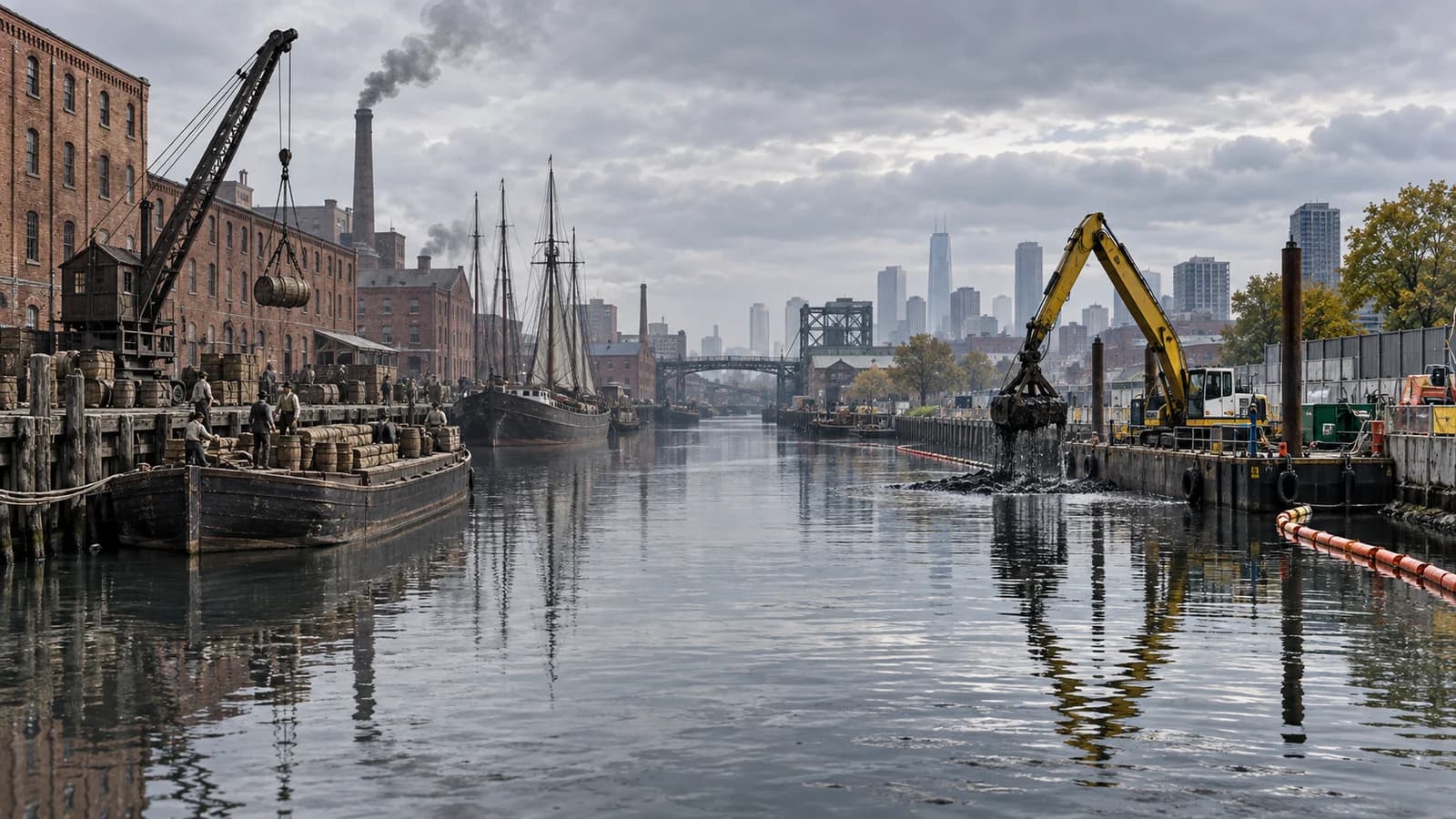
The Gowanus Canal is a narrow, 1.8-mile waterway in Brooklyn that traces its origins to a tidal creek and wetlands. Over more than 170 years, it has evolved from a natural landscape to a heavily engineered industrial corridor, and now stands as one of the nation’s most closely watched environmental cleanup sites. For Brooklyn residents and visitors, the canal’s story offers a window into the borough’s industrial past, environmental challenges, and ongoing efforts to restore urban waterways.
This article outlines the Gowanus Canal’s transformation, from its 19th-century construction to its current status as a federal Superfund site. Readers will find a careful chronology of the canal’s history, the causes and consequences of its pollution, and the steps being taken to address decades of contamination. Practical considerations for exploring the area and understanding its significance are also included.
From Tidal Wetland to Engineered Canal
Before the mid-19th century, the area now known as Gowanus was dominated by a tidal creek and surrounding wetlands. These natural features supported local ecosystems and shaped the early development of Brooklyn. In the late 1840s, city planners authorized the construction of a canal to facilitate industrial growth and transportation. Work began in the 1850s and continued through the 1860s, transforming the creek and wetlands into a navigable waterway designed to move bulk materials such as coal, lumber, and building stone.
The canal’s construction involved significant alteration of the landscape. Wetlands were filled, and the creek was straightened and deepened. The new canal quickly became a hub for factories, warehouses, and other industrial facilities, reflecting the rapid urbanization of Brooklyn during this period.
Industrial Use and Early Pollution
As industry flourished along the Gowanus Canal, so did pollution. Factories and gas plants discharged waste directly into the water, while untreated sewage from surrounding neighborhoods entered the canal through combined sewer overflows. By the late 19th and early 20th centuries, the canal’s water and sediment were visibly contaminated, with odors and discoloration reported by residents and officials.
Efforts to address pollution began early but were limited in effectiveness. The canal’s slow-moving water and tidal influence made it difficult to flush out contaminants. Over time, the accumulation of industrial waste and sewage led to persistent environmental and public health concerns.
Flushing Attempts and Decline
Recognizing the canal’s deteriorating condition, city engineers attempted various solutions to improve water quality. One notable effort was the construction of the Gowanus Flushing Tunnel in 1911, designed to bring cleaner water from Buttermilk Channel into the canal. While this intervention provided some relief, it did not resolve the underlying issues of ongoing industrial discharge and sewage inflow.
Throughout the 20th century, as industry declined and some factories closed, the canal remained heavily polluted. Sediment at the bottom of the canal contained high levels of hazardous substances, including polycyclic aromatic hydrocarbons (PAHs), heavy metals, and other industrial byproducts. The area’s reputation as a polluted waterway became firmly established.
Community Advocacy and Superfund Designation
By the early 2000s, local advocacy groups and residents began to push for a comprehensive cleanup of the Gowanus Canal. Their efforts drew attention to the canal’s environmental legacy and the need for federal intervention. In 2010, the U.S. Environmental Protection Agency (EPA) designated the Gowanus Canal as a Superfund site, recognizing the severity and complexity of its contamination.
The Superfund designation marked a turning point in the canal’s history. It enabled the EPA to oversee a long-term remediation process, including detailed studies of the canal’s sediment, water, and sources of pollution. The agency also engaged with the community to gather input and share information about cleanup plans.
Ongoing Remediation Efforts
Cleanup of the Gowanus Canal is a multi-phase process that remains underway. The EPA’s approach includes dredging contaminated sediment, capping the canal bed to prevent the spread of pollutants, and addressing sources of ongoing contamination such as combined sewer overflows. Remediation work is complex and subject to change as new information emerges.
While progress has been made, the timeline for full remediation is uncertain. The EPA continues to monitor the site and adjust its strategies as needed. Residents and visitors should be aware that cleanup activities may affect access to certain areas along the canal, and conditions can change depending on the stage of work.
Visiting the Gowanus Canal Today
The Gowanus Canal is accessible from several points in Brooklyn, with public streets and bridges offering views of the waterway. The surrounding neighborhood features a mix of residential, commercial, and industrial uses, reflecting the area’s ongoing transformation. While the canal itself is not suitable for swimming or fishing due to contamination, walking paths and parks nearby provide opportunities to observe the site and learn about its history.
Visitors interested in the canal’s story can find interpretive signage and community-led tours that highlight its environmental and cultural significance. It is advisable to check for updates on cleanup activities and local advisories before planning a visit, as conditions may vary.
Before you go
The Gowanus Canal’s journey from tidal wetland to Superfund site illustrates the lasting impact of industrialization on urban waterways. While the cleanup process is ongoing and outcomes remain uncertain, the canal stands as a testament to both the challenges and possibilities of environmental restoration in Brooklyn. Those interested in the canal’s history or current status should plan ahead, stay informed about remediation efforts, and approach the site with an understanding of its complex legacy.