Before You Park in Brooklyn, Read the Whole Curb
Build a parking routine around posted signs, alternate-side updates, meter limits and a realistic garage backup.
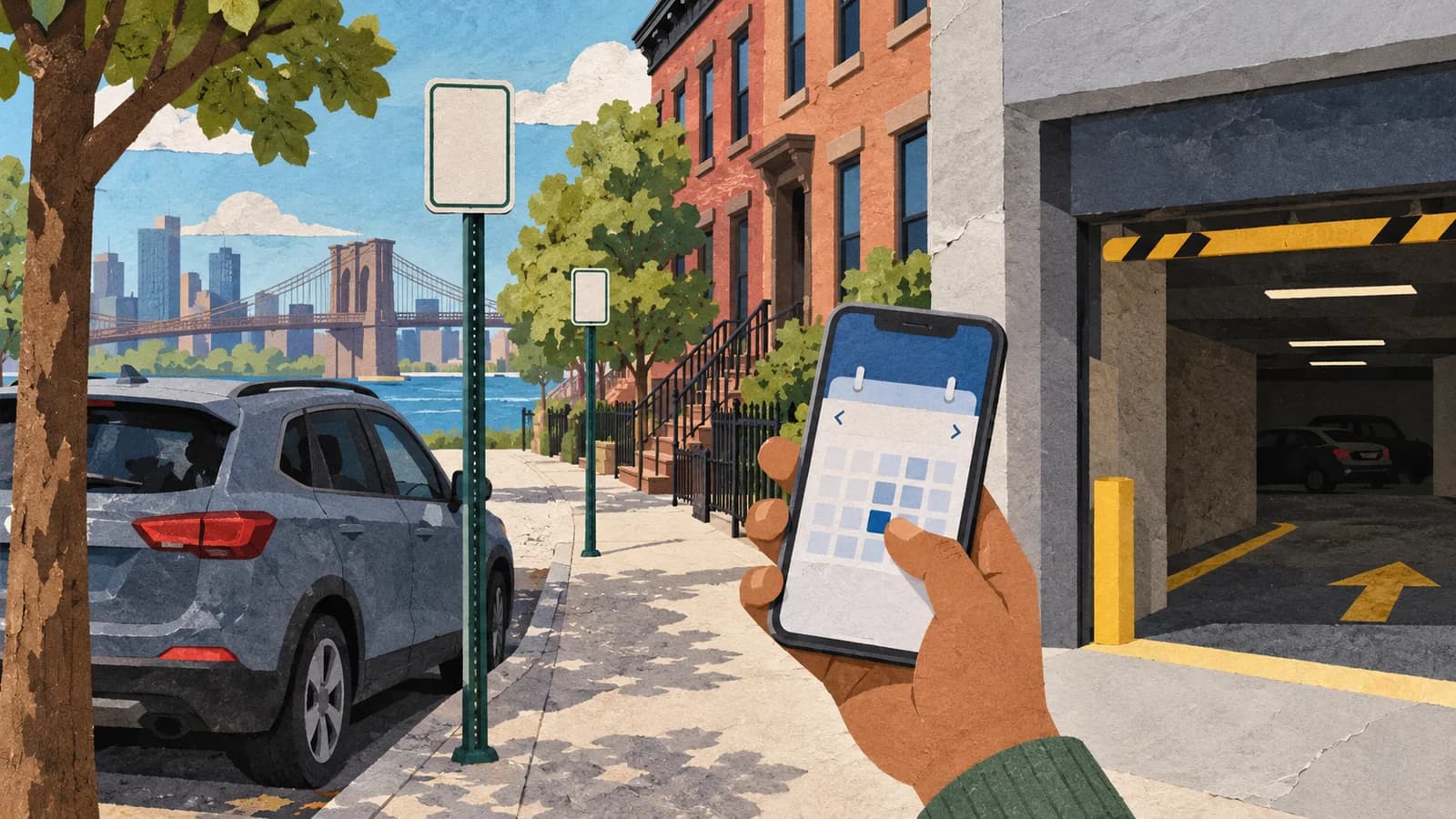
Parking across Brooklyn, is a daily puzzle shaped by curbside signs, city rules, and shifting availability. Whether you’re a resident or a visitor, your parking routine needs to adapt to the block, the hour, and the latest updates. Before you leave your car, it’s worth reading every posted sign and planning for what’s next—because in Brooklyn, the curb tells the real story.
Read Every Sign—Not Just the First One
Brooklyn’s curbs can display multiple, sometimes conflicting, parking regulations. The New York City Department of Transportation (DOT) stresses that drivers should read posted signs carefully alongside the city’s parking regulations. Even if you check the NYC311 parking sign map before heading out, temporary changes—like construction or emergency suspensions—may not be reflected online. Always photograph the signs, including arrows and block numbers, so you can double-check your spot and return time later. If you’re unsure, walk the length of the block to confirm you’re not missing a restriction that applies to your space.
Alternate-Side Parking: Not a Free Pass
Alternate-side parking (ASP) suspensions are common, but they don’t automatically lift all other rules. An ASP suspension alone does not cancel meter payment or other posted restrictions. Major legal holidays have separate rules; check the city’s explanation rather than treating every holiday alike. For example, on October 12, 2026, ASP is suspended for a non-major holiday, but meter rules remain in effect unless otherwise announced. If you see an ASP suspension notice, check the sign for other restrictions—like time limits or permit requirements—before assuming you can park freely. If you’re planning to leave your car during a suspension, set an alarm to remind yourself when to return, especially if meter time is still running.
Metered Parking: Limits Still Count
Paying at the meter or through an app does not override posted time limits. If a sign says two-hour parking, you must move your car after two hours, even if you pay for more time. Set your return alarm before the paid session ends; do not build the trip around arriving at the last possible moment. Always check the meter for any special instructions or exceptions, and remember that rates and hours can change by neighborhood and block. If you’re parking for an extended period, consider whether a garage might be a safer bet.
Hydrants, Double Parking, and Other Red Flags
Some rules are citywide and non-negotiable. Never park within 15 feet of a fire hydrant, even if you’re just running inside. Double parking is illegal for passenger vehicles at all times, including during street cleaning hours. An occupied car does not turn an unlawful parking space into a lawful one. If you’re unsure about a spot, it’s safer to move on than risk a fine.
Garages: Ask Before You Commit
If street parking looks tight or you’re planning to stay late, a garage can offer peace of mind—but details matter. Before pulling in, ask about total fees, including any surcharges for oversized vehicles, late-night retrieval, or special events. Confirm the garage’s closing time and whether you’ll have easy access to your car when you need it. If you have accessibility needs, ask about step-free routes from the garage to your destination.
Plan for the Unexpected
Brooklyn’s parking landscape can change quickly due to construction, events, or emergency regulations. No neighborhood guarantees free spots or predictable rates. If you’re parking in an unfamiliar area, consider:
- Setting an alarm before your meter or time limit expires
- Photographing all relevant signs and arrows
- Checking for temporary paper notices or cones
- Having a backup garage in mind
- Planning your walking route from your spot, especially if you need an accessible path
If you’re using public transit for part of your trip, confirm the nearest accessible subway or bus stops before you park. For those with mobility needs, check whether curb cuts and ramps are available between your parking spot and your destination.
Before You Go
Brooklyn parking requires vigilance and flexibility. Always read every posted sign, confirm meter and time limits, and have a backup plan if street parking doesn’t work out. If you have questions about temporary suspensions, garage access, or accessible routes, call ahead or check official city resources before you leave home. The curb may change overnight—so your best bet is to stay alert, document your spot, and plan for a quick return.
Last verified October 7, 2026. Practical details can change; check linked official sources before making plans.