How Brooklyn community boards work—and how to take part
Understand meetings, committees, district needs, public comments, agendas, and realistic ways residents can follow local decisions.
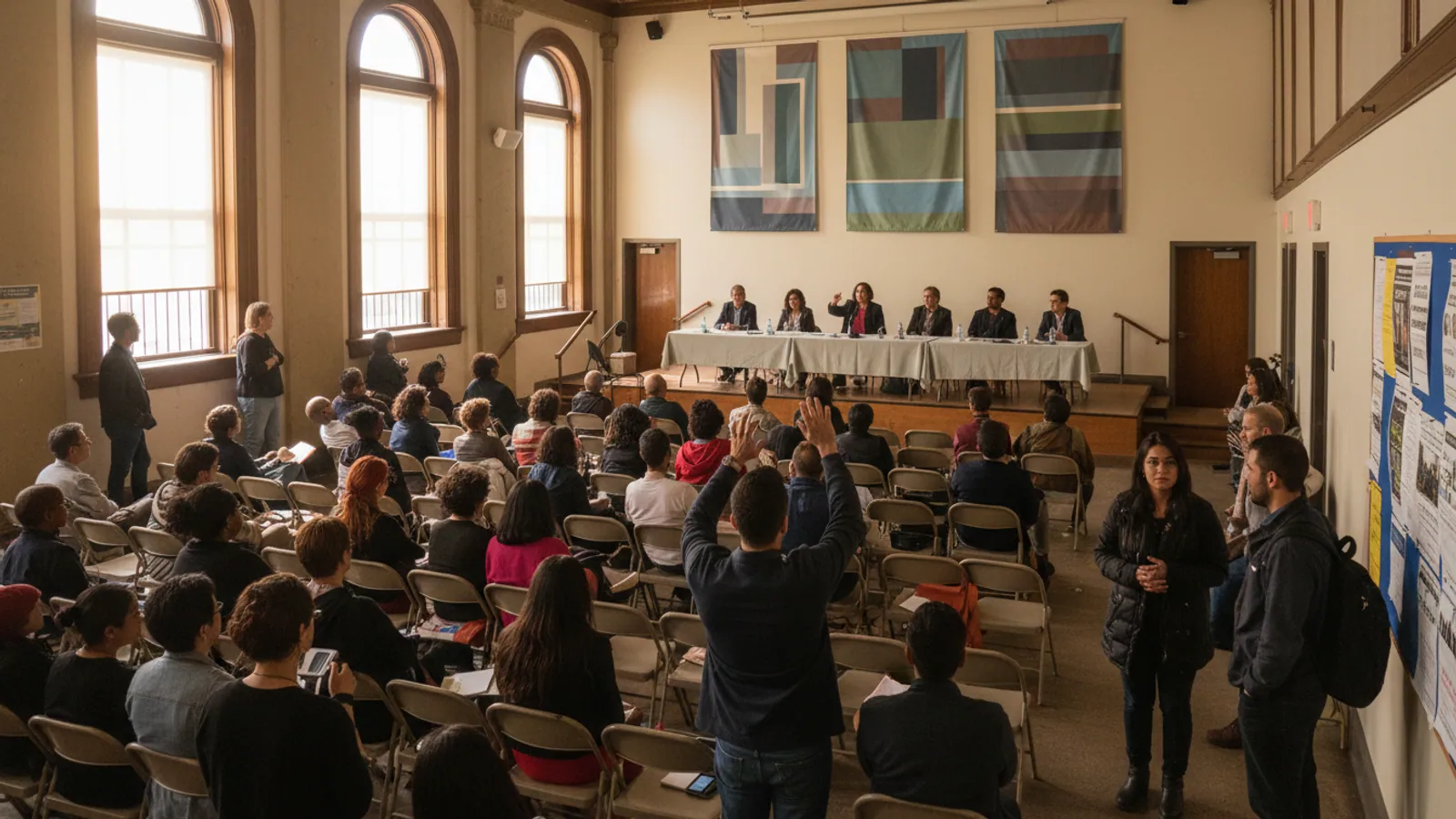
Brooklyn's community boards play a crucial role in local governance, acting as advisory bodies that represent the interests of their neighborhoods. Each of the 18 community boards in Brooklyn is made up of volunteer members who are appointed by the Borough President and City Council members. Understanding how these boards operate and how to get involved can empower residents to influence decisions that affect their communities.
What Are Community Boards?
Community boards are local government entities that advise on various issues, including land use, zoning, and city services. While they do not have the power to make binding decisions, their recommendations can significantly influence city policies and initiatives. Each board covers a specific geographic area, ensuring that local concerns are addressed.
Structure and Membership
Each community board consists of up to 50 members, who are typically residents of the district. Members are appointed based on their experience, expertise, and commitment to community service. The boards are led by a chairperson and have various committees that focus on specific issues such as housing, transportation, and public safety.
How to Find Your Community Board
To determine which community board represents your neighborhood, you can visit the official NYC Community Boards website. This resource provides maps and district boundaries, helping you identify your board and its members. Each board's website also lists contact information, meeting schedules, and agendas.
Attending Community Board Meetings
Community board meetings are open to the public and provide an opportunity for residents to voice their opinions on local issues. Meetings typically occur monthly, and agendas are published in advance. Here are some tips for attending:
- Check the Schedule: Verify the meeting date and time on your community board's website, as they can change.
- Arrive Early: Seating may be limited, so arriving early ensures you have a spot.
- Prepare Your Comments: If you wish to speak, prepare your remarks in advance. Each board usually allocates a specific time for public comments.
Engaging with Committees
Community boards have various committees that focus on specific topics. Joining a committee can be a great way to get involved and make a difference. Committees often meet more frequently than the full board and provide a platform for in-depth discussion on particular issues. You can express your interest in joining a committee during a board meeting or by contacting the board directly.
Understanding the Role of Public Comments
Public comments are a vital part of community board meetings. They allow residents to share their thoughts on agenda items and other community issues. Each board has its own rules regarding public comments, including time limits and procedures for signing up to speak. Familiarizing yourself with these rules can enhance your participation.
The Importance of Community Involvement
Active participation in community boards can lead to positive changes in your neighborhood. By voicing concerns, attending meetings, and engaging with board members, residents can help shape local policies. Community boards often address pressing issues such as housing development, public safety, and infrastructure improvements, making resident involvement essential.
Before You Go
Getting involved with your community board is a rewarding way to contribute to your neighborhood. Whether you attend meetings, join a committee, or simply stay informed, your participation can help ensure that local voices are heard. For more information, visit your community board's website and take the first step toward making a difference in Brooklyn.