Williamsburg Community Planning Workshop: How to Take Part
A practical guide to Brooklyn's September 23 public workshop on downtown revitalization ideas in Williamsburg.
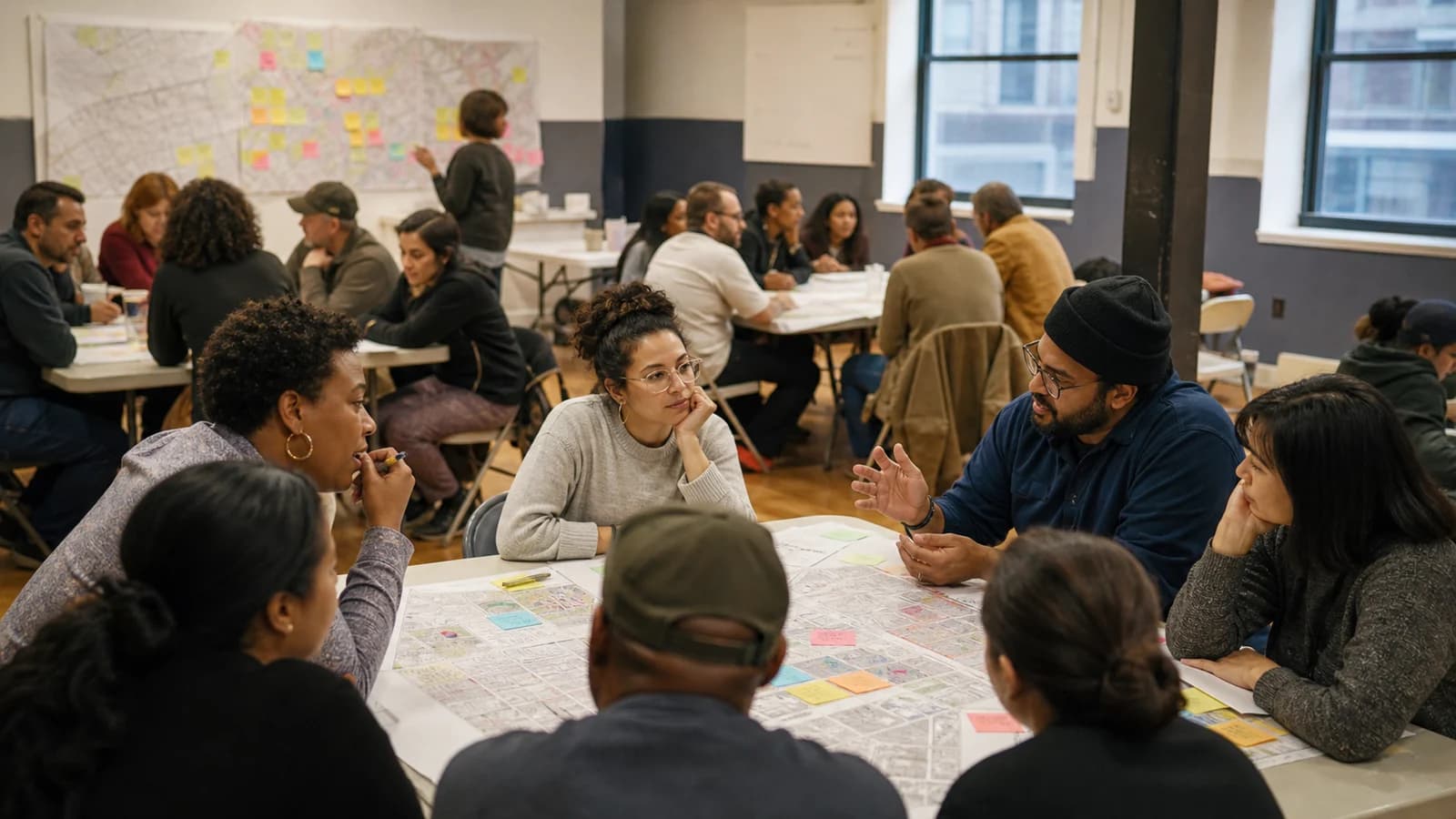
Williamsburg residents have a unique opportunity to shape the future of their neighborhood at the upcoming Downtown Revitalization Initiative Public Workshop. Scheduled for September 23, 2026, this event invites community members to share ideas and concerns about local development and public spaces.
The workshop takes place from 6 to 8 p.m. at the Williamsburg Community Center, 195 Graham Avenue. Whether you’re a longtime resident, business owner, or simply invested in Williamsburg’s future, your perspective can help guide revitalization efforts.
What Is a Public Workshop?
A public workshop is a collaborative event where community members, planners, and local officials gather to discuss neighborhood needs and priorities. Unlike formal hearings, workshops are interactive and designed to encourage open dialogue. Attendees can share observations, ask questions, and listen to others’ experiences. The goal is to collect a broad range of input that can inform future planning decisions.
Who Should Attend?
This workshop is open to anyone with a stake in Williamsburg’s future. Residents, business owners, students, and workers are all encouraged to participate. If you care about issues like transportation, housing, public spaces, or economic development in Williamsburg, your input is valuable. The event is especially useful for those who want to learn more about the Downtown Revitalization Initiative and how it could impact the neighborhood.
How to Prepare Useful Observations
Before attending, take some time to reflect on your daily experiences in Williamsburg. Consider what works well and what could be improved. Are there intersections that feel unsafe? Is there a lack of green space or affordable housing? Are local businesses thriving or struggling? Jot down specific examples and locations. Bringing concrete observations helps planners understand the real-world impact of their decisions.
If you’re part of a local group or organization, gather feedback from your members. Collective input can highlight shared concerns and priorities. Remember to focus on both challenges and strengths—identifying what’s working is just as important as pointing out what needs change.
What Kinds of Local Needs to Raise
The workshop is a chance to spotlight a wide range of neighborhood needs. Common topics include:
- Transportation: Street safety, bike lanes, public transit access, and traffic flow.
- Public Spaces: Parks, playgrounds, plazas, and community facilities.
- Housing: Affordability, quality, and availability.
- Business Environment: Support for local shops, job opportunities, and commercial spaces.
- Accessibility: Sidewalk conditions, curb cuts, and access for people with disabilities.
Feel free to raise issues unique to your block or building, as well as broader concerns. If you have ideas for solutions, bring those too—workshops often include brainstorming sessions.
How to Listen and Engage with Neighbors
Workshops are most effective when participants listen as much as they speak. Be open to hearing different perspectives, especially from neighbors whose experiences may differ from your own. Take notes on points that resonate with you or challenge your assumptions. If you disagree with someone, ask questions to understand their viewpoint.
Group discussions may be facilitated by planners or community leaders. Respect time limits and guidelines to ensure everyone has a chance to contribute. If you’re shy about speaking up, written comment forms are often available.
Following Up After the Workshop
After the event, stay engaged by following updates from the Downtown Revitalization Initiative. Meeting summaries, next steps, and additional opportunities for input are often posted online. If you provided contact information, you may receive follow-up surveys or invitations to future events.
Share what you learned with neighbors who couldn’t attend. Consider joining local organizations or committees focused on neighborhood planning. Ongoing involvement helps ensure that community voices continue to shape Williamsburg’s future.
Neighborhood Context and Accessibility Questions
Williamsburg is a diverse and rapidly changing neighborhood, with a mix of historic buildings, new developments, and vibrant street life. Revitalization efforts aim to balance growth with the needs of longtime residents and newcomers alike.
The Williamsburg Community Center is centrally located and typically accessible by public transit and major bike routes. If you have specific accessibility needs, check the official event page or contact organizers in advance to confirm building access and available accommodations. Event details can change, so it’s wise to recheck information before heading out.
Before you go
The Downtown Revitalization Initiative Public Workshop offers a practical way to influence Williamsburg’s future. Prepare your observations, listen to your neighbors, and stay involved after the event. Before traveling, confirm attendance requirements and any last-minute changes on the official event page. Your participation can help ensure that Williamsburg’s revitalization reflects the community’s true needs and aspirations.