Big Reuse Gowanus: Salvage and Home-Goods Guide
Plan a productive Big Reuse visit for salvaged furniture, fixtures, building materials, and secondhand home projects.
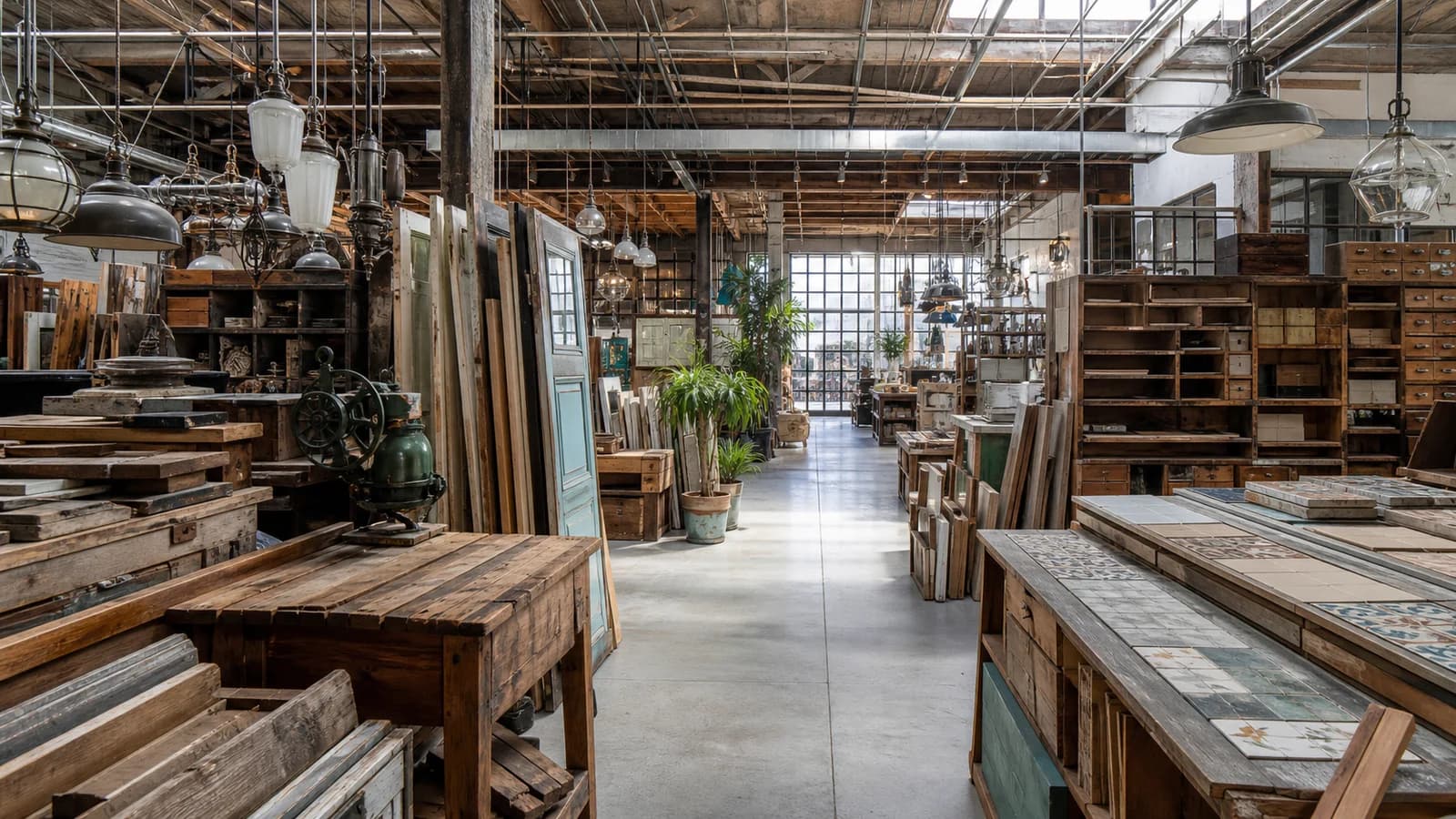
Big Reuse Gowanus offers a unique shopping experience for those interested in salvaged furniture, fixtures, and building materials. Unlike typical thrift stores that focus on clothing, Big Reuse specializes in secondhand home projects, making it a go-to destination for DIY enthusiasts and eco-conscious shoppers. This guide will help you navigate your visit, ensuring you make the most of your time and resources.
What Makes Big Reuse Gowanus Unique
Big Reuse Gowanus stands out for its extensive selection of salvaged and secondhand items. From reclaimed wood to vintage fixtures, the store provides materials that can transform your home projects. It's an ideal spot for those looking to add character and sustainability to their renovations. The store's inventory is a treasure trove for those who appreciate the charm of materials with history and the environmental benefits of reusing resources.
Who Should Visit
This store is perfect for DIYers, renovators, and anyone interested in sustainable home improvement. Whether you're a seasoned builder or a novice looking to start a small project, Big Reuse offers materials that cater to various skill levels and project sizes. If you have a passion for upcycling or are simply looking to reduce your environmental footprint, this is the place to explore.
Planning Your Visit
Before heading to Big Reuse, measure the space where you plan to use the salvaged items. Knowing the dimensions can save you time and ensure that your purchases fit your needs. Bring a tape measure and a list of measurements to avoid any guesswork. Additionally, consider your transportation options, as some items may require a larger vehicle for transport. If you don’t have access to a suitable vehicle, explore rental options or enlist the help of a friend with a larger car.
Inspecting Salvaged Materials
When browsing, take time to inspect the condition of materials. Look for signs of wear and tear, and assess whether any repairs are needed. This careful examination can help you avoid surprises and ensure that your purchases meet your quality standards. Check for structural integrity in furniture, and for building materials, ensure there are no major defects that could affect their usability. If you're unsure about the condition of an item, don't hesitate to ask staff for advice.
Budgeting for Your Project
Set a realistic budget before visiting. Salvaged materials can vary in price, and having a clear financial plan can help you make informed decisions. Remember, investing in quality materials can enhance the longevity and aesthetic of your project. Prioritize your needs and consider the potential cost of any necessary repairs or modifications. This approach will help you stay within budget while still achieving your project goals.
Navigating the Neighborhood
Big Reuse Gowanus is located in a vibrant area with plenty of local attractions. Plan your route to include nearby cafes or parks for a full day of exploration. However, confirm accessibility options directly with the store to ensure a smooth visit. The neighborhood offers a mix of cultural and recreational spots, so take advantage of the opportunity to explore beyond the store. Consider public transportation options if parking is a concern, and check for any local events that might affect traffic or accessibility.
Inventory and Policies
Inventory at Big Reuse changes constantly, so it's wise to visit regularly or call ahead for specific items. Verify current donation rules, hours, and acceptance or pickup policies directly with the store to avoid any inconvenience. Understanding these policies can help you plan your visit more effectively and ensure you have the most up-to-date information.
Before You Go
Before you set out, double-check the store's hours and any specific policies regarding donations or pickups. This ensures you have the most current information and can plan your visit effectively. Make a checklist of items you need, measurements, and any tools you might want to bring, such as a flashlight for inspecting items closely. Happy salvaging!
Last verified September 1, 2026. Practical details can change; check linked official sources before making plans.