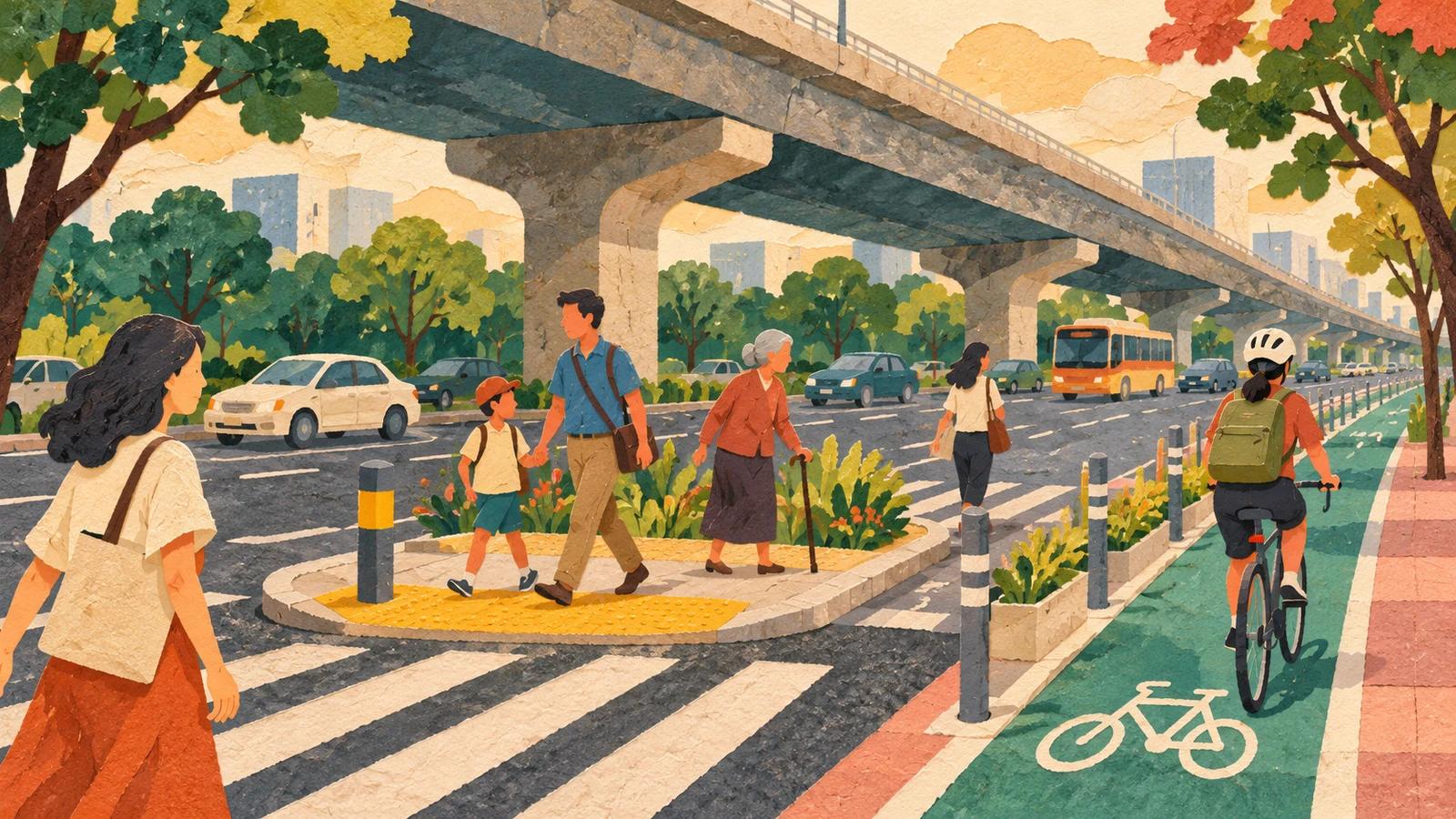
Third Avenue in Sunset Park is scheduled for a 2.1-mile safety redesign beginning in 2027, with a second phase in 2028. The October 28 city announcement covers the corridor between 62nd and 20th streets. It proposes shorter pedestrian crossings, redesigned intersections and protected bicycle lanes along the center median.
For residents, the immediate news is a published scope and schedule. The announcement is not evidence that the new lanes are already usable, that every intersection has a final design or that construction diversions have been issued. Anyone crossing the avenue today still needs to follow the street as it exists.
Where the first phase will start
The city’s announcement places the first phase between 62nd and 43rd streets in 2027. That year also includes a two-way, parking-protected bicycle connection on 60th Street between Second and Fourth avenues. The remaining Third Avenue segment, between 43rd and 20th streets, is scheduled for 2028.
The city describes a corridor where 17 people have died over the past decade. Its proposed pedestrian islands and sidewalk and median extensions are intended to reduce exposure to moving traffic. The promised work is substantial, but the safety benefit must eventually be assessed using actual results after implementation.
Why the bike lanes moved toward the median
amNewYork’s reporting describes a change from the earlier curbside concept: bicycle lanes would run beside the center median. DOT Commissioner Mike Flynn said the arrangement would reduce conflicts involving deliveries and vehicles accessing businesses. The report also identifies a target of finishing by the end of 2028.
That placement is a useful detail for readers who remember older drawings. An earlier rendering may no longer show the design being advanced. When reviewing a project image, check its date and the exact street segment before treating it as the current plan for your block.
What is still outside the firm schedule
Possible extensions south toward 65th Street and north toward Carroll Street in Gowanus are described as future exploration. They should not be folded into the two announced construction phases. A corridor-wide ambition and a scheduled project segment are different commitments.
News 12’s account reports that DOT expects further community refinement before implementation. Its coverage also explains the intended link between Fourth Avenue’s protected lanes and the waterfront route through the 60th Street connection. That network connection is a reason to follow the side-street work as closely as the main avenue.
Questions worth tracking before work starts
For a resident or small business, a useful project checklist is specific to an address. Where will deliveries stop? Which crossing serves a school entrance? How will someone reach a bus stop or building doorway during work? Will a temporary route have clear signs at the point where a person must change direction?
These are reporting questions, not descriptions of restrictions already imposed. The sources reviewed do not provide a complete block-by-block construction notice, final loading plan or daily work calendar. Avoid changing a regular route solely because an artist’s rendering looks different from today’s street.
The next meaningful milestones will be updated design material and implementation instructions. Until then, use the announced phase boundaries to understand when your part of the avenue is expected to change. For nearby destinations, our St. Mark’s Comics coverage and Taro’s Origami at Japan Village article offer separate visit planning; neither implies that this street project is complete.