Sushi Lin Makes Omakase Approachable in Prospect Heights
How to choose between omakase and à la carte sushi, plan the bill and ask the right dietary questions.
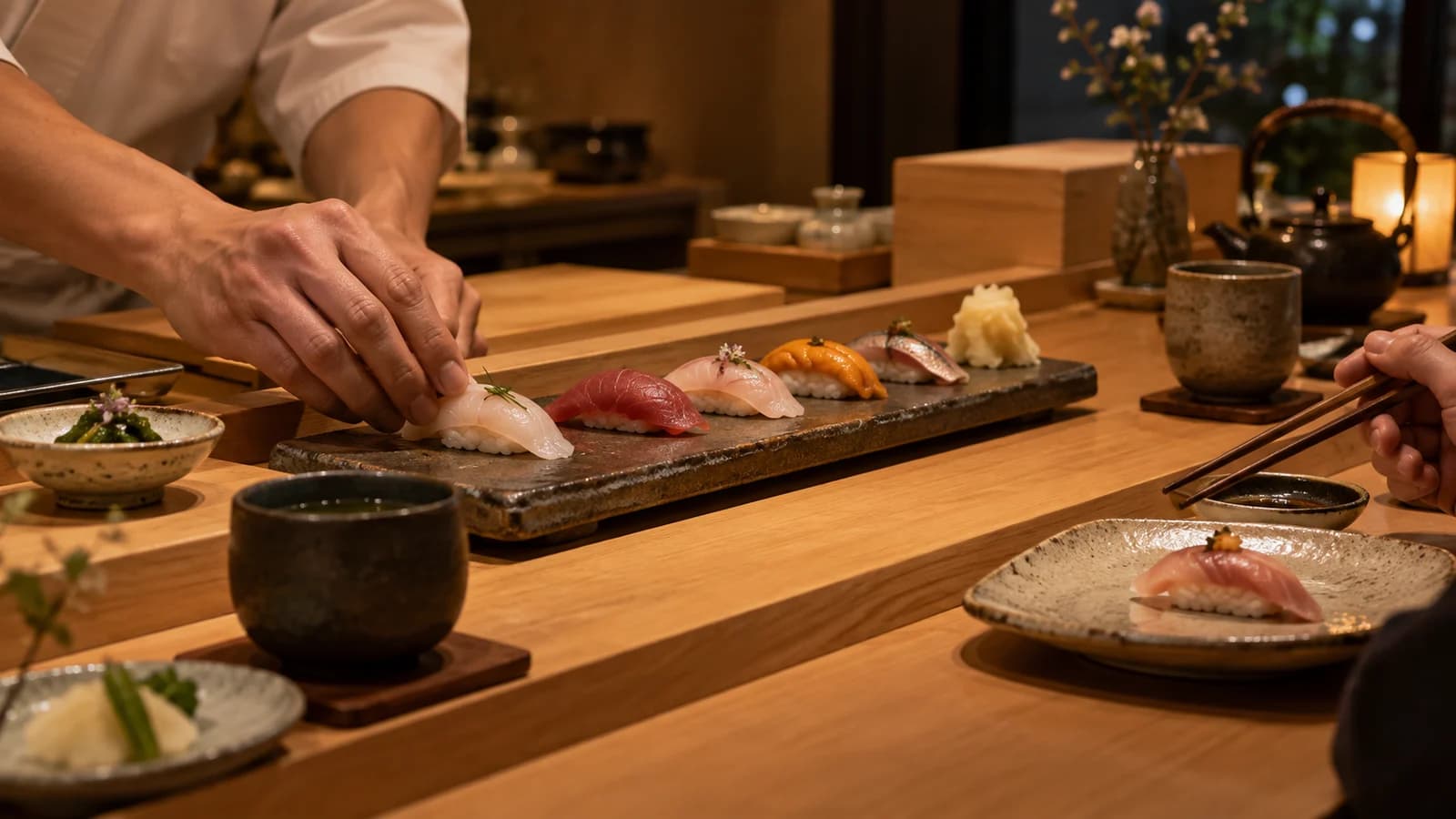
Sushi Lin, located at 335 Flatbush Avenue on the border of Park Slope and Prospect Heights, offers a focused omakase experience alongside à la carte sushi. For Brooklyn diners interested in exploring omakase without the intimidation or high price tags sometimes associated with the format, Sushi Lin provides a practical entry point. The restaurant’s approach is designed to be accessible, but there are important details to consider before booking a table or walking in.
This article breaks down the differences between omakase and à la carte at Sushi Lin, what to expect in terms of timing and cost, how to communicate dietary needs, and how to plan for a meal that fits your preferences and budget. Whether you’re a sushi newcomer or looking for a new neighborhood spot, understanding these factors can help you make the most of your visit.
Omakase vs. À la Carte: What’s the Difference?
Omakase, a Japanese term meaning “I’ll leave it up to you,” is a chef-selected tasting menu that typically highlights seasonal fish and specialty preparations. At Sushi Lin, the official website describes an omakase-focused approach, which generally means diners are served a curated sequence of sushi and possibly small plates, with the chef guiding the meal. This format can be appealing for those who want to try a variety of items without making individual choices.
In contrast, the à la carte menu allows guests to select specific sushi, sashimi, or rolls. This option is well-suited for those with particular preferences, dietary restrictions, or a desire to control the pace and price of their meal. Sushi Lin’s menu and offerings may change, so it’s advisable to check the current selection or call ahead if you have your heart set on certain items.
Planning Your Visit: Reservations, Timing, and Seating
Sushi Lin’s hours, seating arrangements, and reservation policies are subject to change. The restaurant’s website and neighborhood listings confirm its location at 335 Flatbush Avenue, but do not guarantee walk-in availability or specific seating times. For omakase, some sushi restaurants require advance reservations, while others may offer limited walk-in seats at the counter. If you have a preferred date or time, contacting Sushi Lin directly is the best way to confirm availability and avoid disappointment.
Timing is another consideration. Omakase meals typically unfold over a set period, with each course served in sequence. This can take longer than ordering à la carte, so plan accordingly if you’re on a schedule. If you have accessibility needs or require specific seating, it’s wise to mention this when booking or upon arrival.
Budgeting: What to Expect on the Bill
Prices for omakase and à la carte sushi at Sushi Lin are not fixed and may change based on the menu, fish selection, and market conditions. Omakase is often priced as a set menu, while à la carte items are individually listed. The total bill can vary widely depending on your choices, the number of courses, and any add-ons or beverages.
If you’re budget-conscious, consider asking for a sample menu or price range when making a reservation. Some diners prefer to start with à la carte to gauge portion sizes and costs before committing to a full omakase experience. Tax and tip are additional, so factor these into your planning.
Raw Fish and Dietary Considerations
Sushi Lin’s omakase and à la carte menus typically feature a variety of raw fish, but the exact selection changes. If you have allergies, dietary restrictions, or preferences (such as avoiding raw seafood, shellfish, or gluten), it’s important to communicate these clearly when booking and again when seated. While many sushi restaurants can accommodate certain requests, not all substitutions may be possible, especially with omakase, where the chef’s sequence is central to the experience.
Vegetarian or cooked options may be available, but advance notice increases the likelihood of accommodation. If you’re unsure about any ingredient or preparation, don’t hesitate to ask your server for clarification.
Alcohol-Free Pairing and Beverage Choices
Sushi Lin’s beverage offerings may include traditional sake, beer, and non-alcoholic options, but these can change. If you prefer an alcohol-free pairing, inquire about available teas, soft drinks, or other non-alcoholic beverages. Some diners find that green tea or sparkling water complements sushi well, but selection and pricing may vary.
If beverage choices are important to your experience, ask about the current menu when you arrive or when making a reservation. Bringing your own beverage may not be permitted, so check the restaurant’s policy in advance.
Communicating with Staff: Questions to Ask
Clear communication is key to a smooth dining experience at Sushi Lin. When booking or upon arrival, consider asking:
- Is omakase available tonight, and what is the current price range?
- Are there any substitutions for dietary restrictions?
- How long does the omakase meal typically take?
- What are the current beverage options?
- Is there a cancellation policy for reservations?
Staff can provide the most up-to-date information on menu changes, seating, and any special requests. If you have accessibility needs or require a high chair, mention this early to ensure the restaurant can accommodate you.
Before you go
Sushi Lin at 335 Flatbush Avenue offers both omakase and à la carte sushi in a Prospect Heights setting. Menu, pricing, and availability can change, so planning ahead and communicating your needs will help ensure a satisfying meal. For the latest details, contact the restaurant directly before your visit.
Last verified September 9, 2026. Practical details can change; check linked official sources before making plans.