Start Fencing Without Buying All the Gear
Brooklyn Fencing Center separates beginner programs by age and supports recreational and competitive paths; ask about trial structure and loaner equipment first.
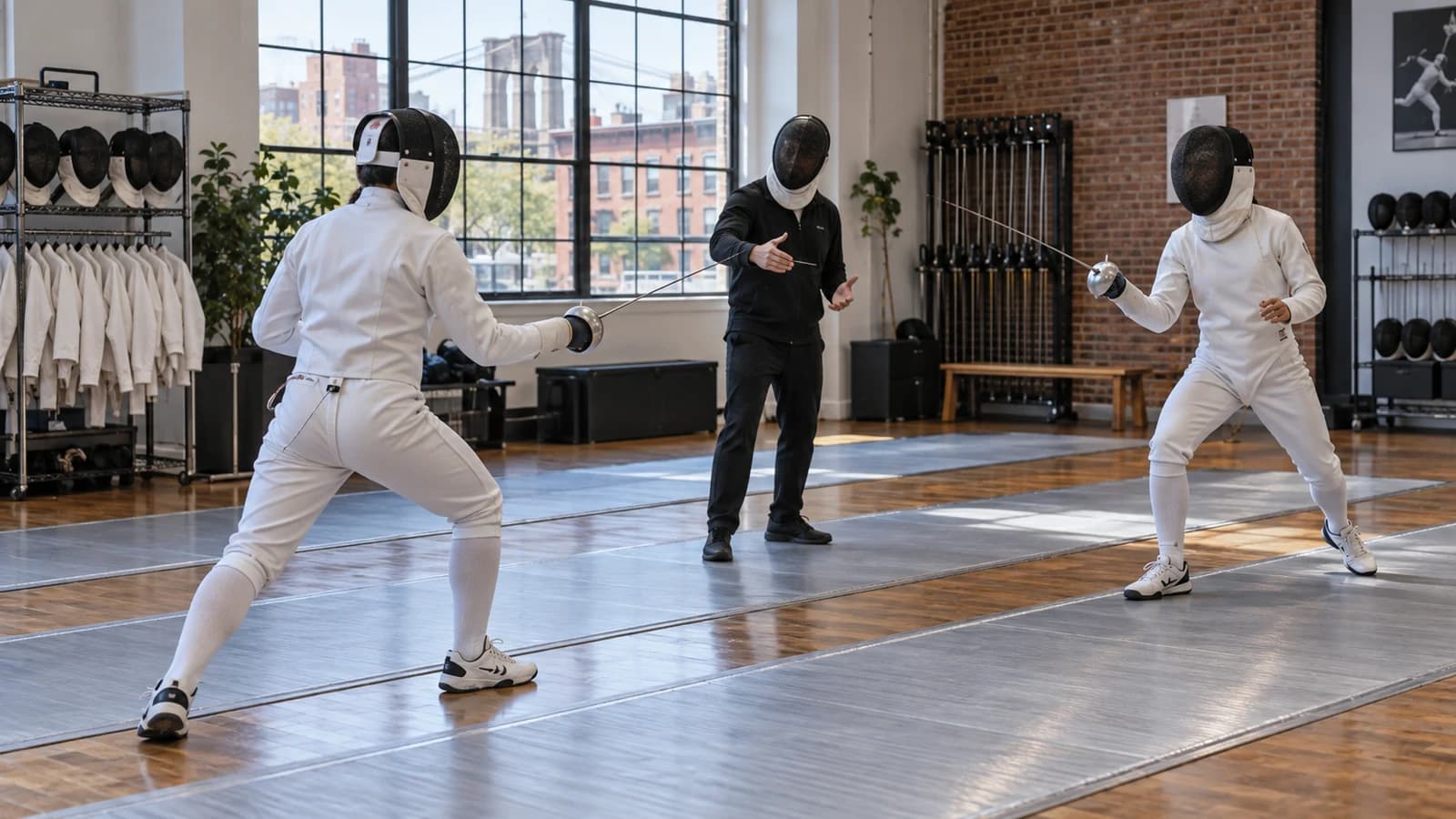
Newcomers to fencing can start at Brooklyn Fencing Center (BFC) without buying all their own gear. BFC’s beginner programs offer age-based grouping, potentially lend protective equipment, and help participants find their footing before committing to a competitive path or personal equipment purchases.
If you’re considering giving fencing a try at BFC’s Brooklyn location, you’ll want to go in prepared: reach out directly to confirm weapon focus, loaner gear policy, fees, schedule, and class structure, as online details are generalized. Here’s how to approach your first steps.
Understanding the Brooklyn Fencing Center Approach
Brooklyn Fencing Center, founded in 2003, is located at 528 Fifth Avenue, Brooklyn, and can be reached at 718-522-5822. The Center offers fencing instruction for youth and adults with organized groupings (ages 7–9, 10–17, and 18+) and posts general information about classes, but specifics such as current start dates, weapon focus (foil, epee, or sabre), and coach assignments should always be confirmed prior to your first visit. BFC’s program emphasizes solid fundamentals, development of technique, and progression from recreational to competitive fencing, so it can suit both hobbyists looking for fitness/skill and those interested in competition.
Who Benefits Most From BFC Fencing Classes?
BFC’s programs are designed for children, teens, and adults interested in learning the basics or developing competitive skills. If you’re unsure whether you’ll enjoy fencing, the center’s staged approach—often with trial or introductory class structures—can appeal to families and adults looking to try the sport without heavy initial investment.
Individuals suited to BFC include:
- Children and teens with interest in a structured, developmental sport
- Adults seeking a new fitness pursuit that blends physical and mental challenges
- Parents looking for an activity with both recreational and competitive support
- Beginners of any age who want to start without buying full equipment
Planning Your First Visit: What to Ask
Before showing up for your first class, contact BFC directly using the phone (718-522-5822) or the website to ask about current beginner offerings. Fencing can be taught using three weapons—foil, epee, or sabre—and many beginner courses select one for introductory lessons. Ask which weapon is taught in your group, as each has unique rules and gear requirements.
Also check:
- Trial Structure: Does BFC currently offer a single trial class, a short introductory series, or require enrollment for a session?
- Loaner Equipment: Will all protective gear (jacket, mask, glove, weapon, chest or underplastron if required) be supplied? Are there any limitations for youth or adults?
- What to Wear: Most clubs, including BFC, expect students to bring their own comfortable athletic clothes, covering long pants and supportive sneakers. Shorts are not recommended due to safety requirements.
- Class Length and Schedule: Beginner classes typically run for about an hour, but confirm the timing, frequency, and whether you can observe before committing.
Adult Versus Youth Beginner Questions
BFC groups beginners by age: 7–9, 10–17, and 18+. If you’re enrolling a child, ask about:
- Class size and ratio of coaches to students
- Parent observation rules during class
- Requirements for participation in recreational versus competitive track as skills develop
For adults, consider:
- Whether classes are mixed-experience or strictly beginner
- Expectations for fitness or prior sports experience
- Ease of transitioning from recreational to more intensive or competitive classes if interest grows
In both cases, confirm sign-up procedures, liability waivers, and any COVID-19 or health safety measures currently in place, as these protocols may change.
Equipment and What to Bring
Fencing requires specialized gear for safety, including a weapon, mask, jacket, glove, and (often) chest protector or underplastron. While BFC’s website indicates that beginner classes frequently have access to loaner equipment, it is essential to confirm:
- Which pieces, if any, are provided for your class (and if they fit all ages/sizes)
- If there are fees or deposits for using loaner gear
- Any gear sharing or sanitization policies, especially if health measures are a concern
You should bring:
- Long athletic pants (leggings, sweatpants, or fencing knickers if you have them)
- Rubber-soled athletic shoes with good lateral stability
- A water bottle
- Any paperwork or fee payments required at check-in
What to Expect in Class
Beginner fencing focuses on fundamentals: stance, footwork, blade control, and basic tactics. Ask the center to describe the current beginner-session format, physical demands, supervision, and when partner drills or sparring enter the curriculum. Fencing is as much mental as physical, with reflexes and decision-making key to improvement, regardless of age.
Progression may lead to:
- Advanced group classes or private lessons
- Introduction to competitions (as desired)
- Guidance on when—and what—to purchase for your own equipment kit
Neighborhood and Practicalities
Brooklyn Fencing Center’s Park Slope location is accessible by multiple subway lines and buses. While the website does not specify ADA accessibility, those with mobility concerns should call ahead to discuss any accommodations needed. Metered street parking is available, but can fill quickly during peak hours. The area offers various amenities if family members want to explore nearby while a class is underway.
If you’re an adult seeking a social element after class, various nearby establishments offer refreshments, but always enjoy responsibly and consider hydration after physical activity.
Before you go
Brooklyn Fencing Center offers a structured, beginner-friendly entry to fencing with the flexibility to progress at your own pace. Reach out directly to confirm current offerings, gear policies, fees, and individual needs before enrolling. Whether for your child or yourself, asking the right questions up front ensures a safe, productive, and fun start to the sport.
Last verified September 24, 2026. Practical details can change; check linked official sources before making plans.