How local politics works in Park Slope
A grounded guide to local politics in Park Slope, with neighborhood context, practical planning advice, and what to verify before you go.
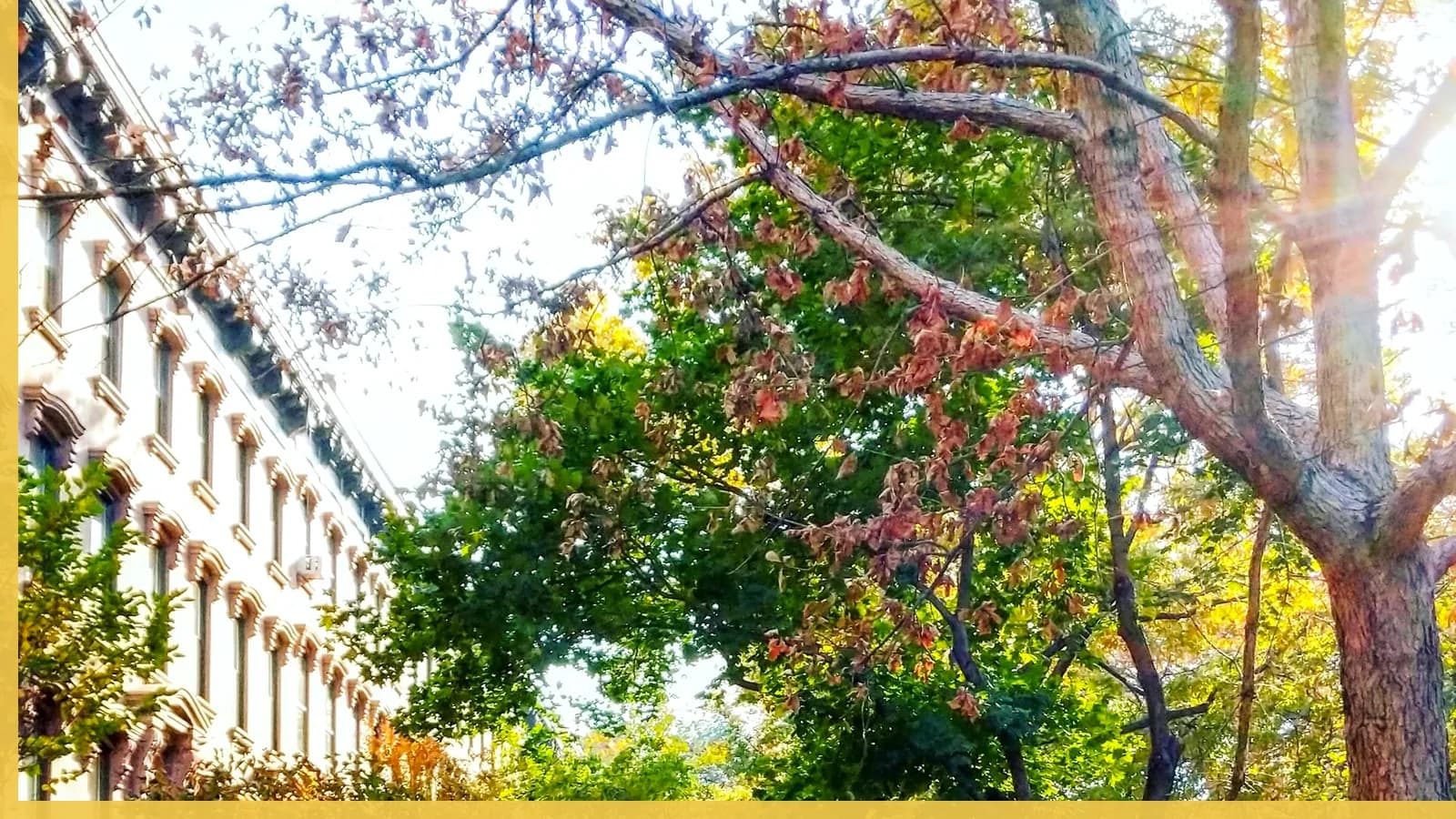
Park Slope, a neighborhood known for its tree-lined streets and historic brownstones, is also a hub of local political activity. Understanding how local politics works in Park Slope can empower residents to engage more effectively with their community and influence decisions that affect their daily lives.
The Structure of Local Government
Park Slope is part of Brooklyn's Community District 6, which includes Carroll Gardens, Cobble Hill, Gowanus, and Red Hook. The Community Board 6 plays a crucial role in local governance, serving as an advisory group to the New York City Council. Community boards are pivotal in addressing neighborhood issues such as zoning, land use, and public safety. Meetings are open to the public, providing a platform for residents to voice concerns and propose solutions.
Key Political Figures
Local politics in Park Slope involves various elected officials, including the City Council member representing the district, the Brooklyn Borough President, and the New York State Assembly and Senate representatives. These officials are responsible for advocating for the community's needs at different levels of government. Engaging with these representatives through town halls, public forums, and direct communication can significantly impact local policy decisions.
Community Engagement and Activism
Park Slope has a rich history of community activism, with residents often mobilizing around issues such as affordable housing, environmental sustainability, and education. Local advocacy groups and neighborhood associations are instrumental in organizing campaigns and initiatives. Participating in these groups is an excellent way for residents to stay informed and involved in local politics.
Transit and Accessibility
Transportation is a critical issue in Park Slope, with residents relying on a mix of subway lines, buses, and bike lanes for commuting. The neighborhood is served by several subway stations, including the 7th Avenue and Union Street stations on the B and Q lines, and the 4th Avenue/9th Street station on the F and G lines. The New York City Department of Transportation (DOT) frequently updates transit plans to improve accessibility and reduce congestion. Staying informed about these plans can help residents advocate for better transit solutions.
Historical and Cultural Context
Park Slope's political landscape is deeply influenced by its historical and cultural context. The neighborhood's designation as a historic district helps preserve its architectural heritage, but also poses challenges in balancing development with preservation. Understanding the historical significance of Park Slope can enhance residents' appreciation of local politics and the importance of maintaining the neighborhood's character.
Evaluating Local Services and Amenities
While Park Slope boasts a variety of amenities, from parks to cultural institutions, evaluating local services is essential for making informed decisions. Residents should consider factors such as accessibility, affordability, and community impact when choosing services. For instance, the proximity to Prospect Park offers recreational opportunities, but residents should verify current programming and maintenance updates through official channels.
Before You Go
Engaging with local politics in Park Slope requires an understanding of the neighborhood's unique dynamics and challenges. By participating in community meetings, staying informed about transit developments, and appreciating the historical context, residents can play an active role in shaping their community's future. Whether you're a long-time resident or new to the area, getting involved in local politics can lead to meaningful change and a stronger sense of community.